


Digital Under Current
A collection of evolving ideas that aren't strictly organized by their publication date. They're inherently exploratory – notes are linked through contextual associations. They aren't refined or complete - notes are published as half-finished thoughts that will grow and evolve over time. They're less rigid, less performative, and less perfect than the personal websites we're used to seeing.
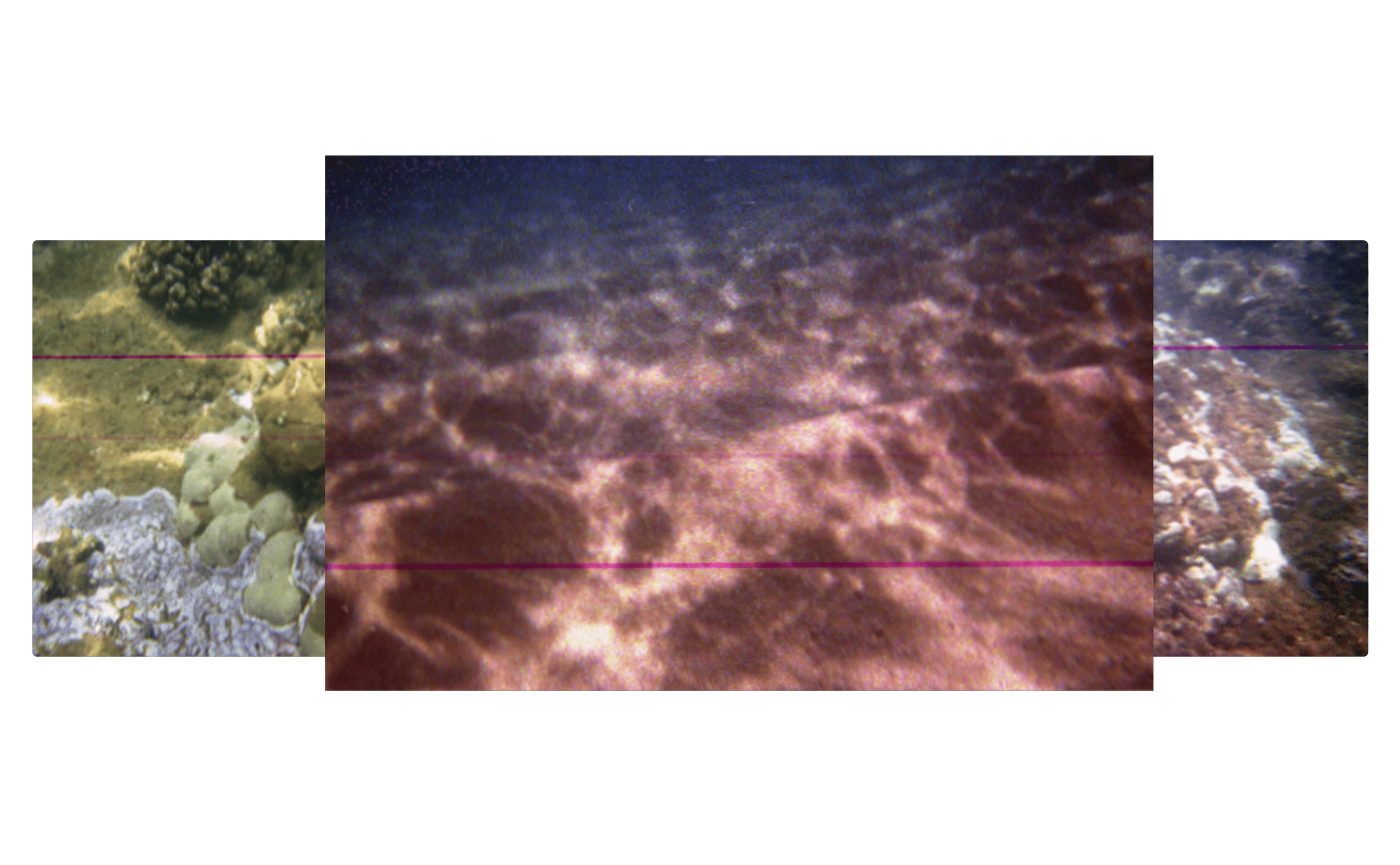
First Principle Thinking
First principle thinking is a method for tackling complex problems by stripping them down to their most essential elements. It asks: what is the fundamental proposition—the assumption that exists on its own, independent of everything else? By identifying these irreducible truths, we can avoid relying on inherited assumptions, conventional wisdom, or surface-level reasoning. From this foundation, new solutions and insights emerge, built from the ground up rather than pieced together from existing ideas.
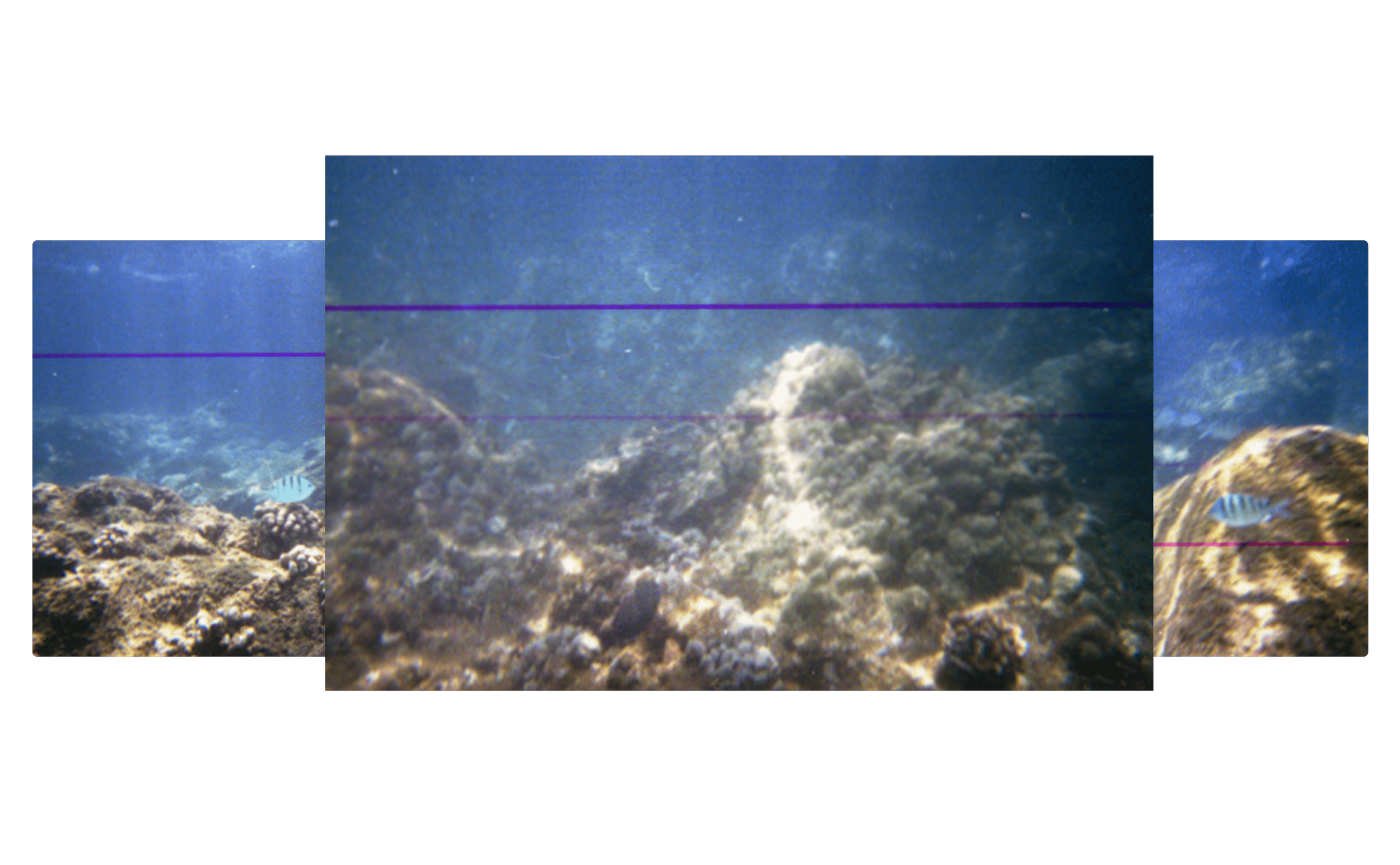
Design Beyond Defaults: Why Typography Demands Deeper Knowledge
In an era where electronic page design gives us more typographic freedom than ever, designers also carry a greater responsibility. With limitless options for manipulating type, it becomes essential to understand the cultural and formal evolution of typography itself. Without that foundation, it’s easy to fall into the traps of trendy aesthetics, clichéd software presets, or the mindless acceptance of default settings. This post explores why typographic literacy is no longer optional—and how thoughtful, informed choices elevate communication far beyond what tools alone can offer.
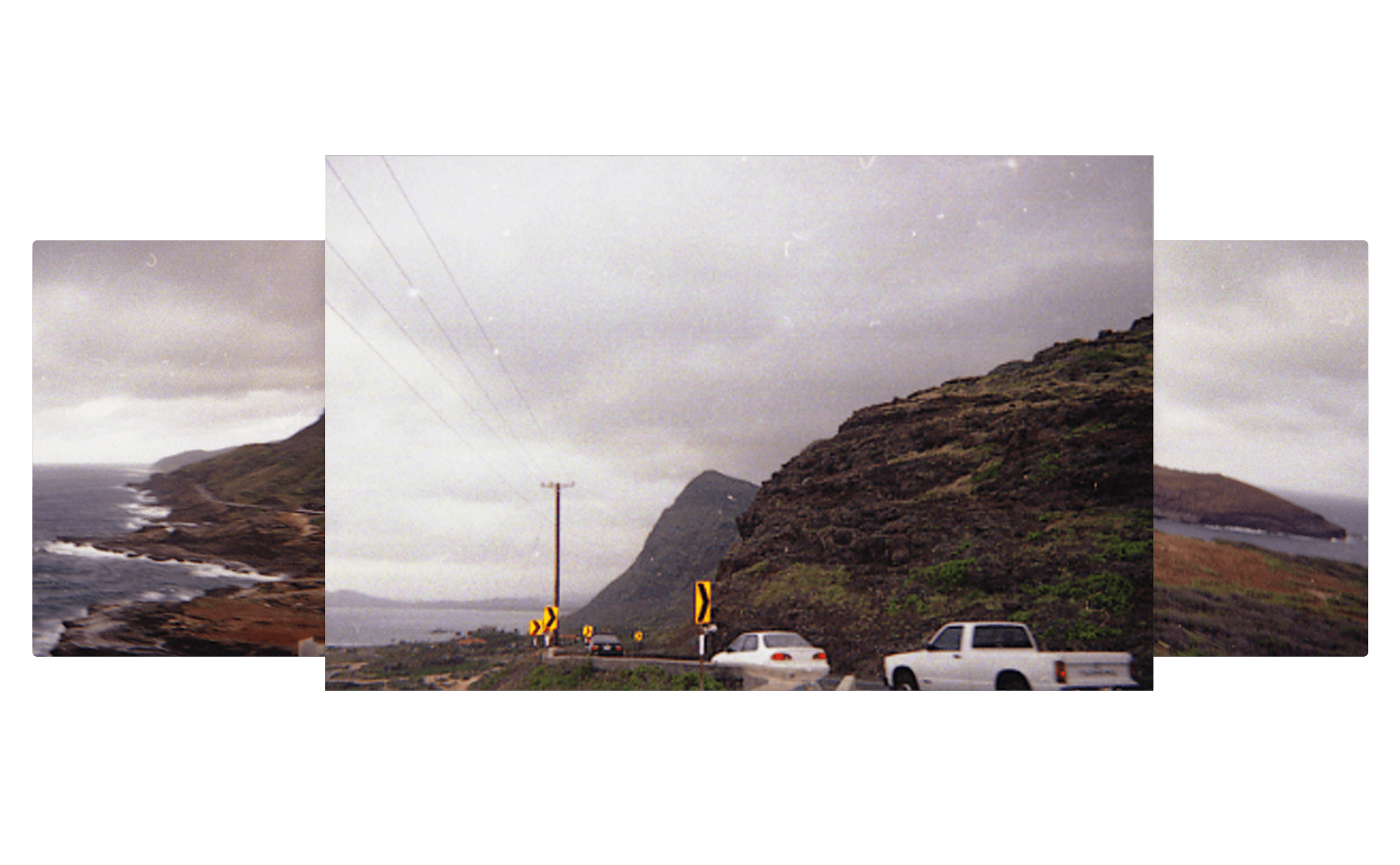
Designing the Unseen: Implied Motion and the Dimensional Challenges of Visual Art
Although we live our entire lives in a dimensional, ever-moving world, most of our visual thinking still defaults to flat marks on a static page or screen. Yet movement—arguably one of the most dominant forces in human experience—is rarely depicted directly in visual art. Instead, artists rely on implication: textures that feel real through detail, depth suggested by perspective and shadow, and motion hinted at through composition and our own lived memory of how things move.
Before film, all visual representation existed in this frozen state, one step removed from reality. Even cinema, celebrated for capturing motion, relies on an illusion—individual still frames stitched together by our eyes through persistence of vision. This blog explores how deeply our perception shapes what we believe we see, and how the challenge of conveying dimension and movement reveals the surprising limits of static visual media.