Unveiling a Silent Climate Crisis: The Vital Role and Imperiled Future of Kelp
In the ever-evolving narrative of climate change, there are stories often lost beneath the surface.
While conversations increasingly circulate around well-known climate challenges like greenhouse gases and polar ice cap melting, an equally critical yet lesser-known crisis unfolds within our oceans — the rapid disappearance of kelp forests.
On the latest episode of "Rising Tide, the Ocean Podcast", hosted by Natasha Benjamin and featuring David Helvarg, this undercover crisis is brought to light through a deeply engaging dialogue on the overlooked significance of kelp ecosystems. The discourse, interwoven with personal experiences and extensive research, sheds light on the myriad roles that kelp forests play, their alarming decline, and the urgent need for both local and global action.
The Forgotten Forests of the Sea
Kelp is often thought of as nothing more than seaweed — slimy, inconvenient, and largely unimportant. However, these underwater giants are both uniquely crucial and deeply endangered. Beyond their ecological allure, they represent robust ecosystems that rival their terrestrial counterparts — often referred to as the "Amazon of the oceans", spanning approximately 2.2 million square miles.
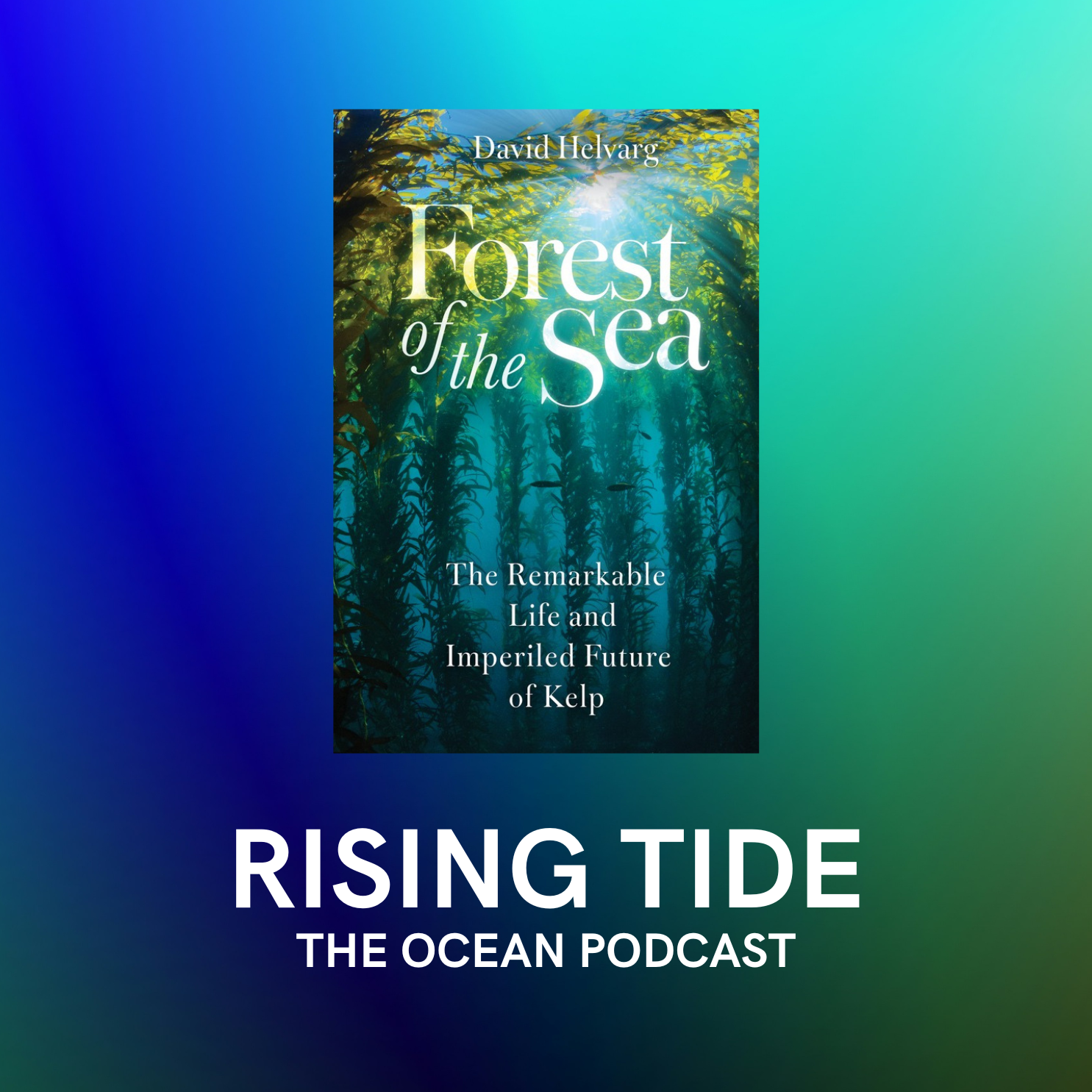
David Helvarg, founder and executive director of Blue Frontier, recently authored "Forest of the Sea: The Remarkable Life and Imperiled Future of Kelp". This book takes an investigative plunge into one of the ocean's best-kept secrets and proposes it as one of today’s most critical climate stories. "Kelp is the new coral," Helvarg asserts, echoing the urgency to protect and restore what remains.
Why Kelp Matters
While coral has garnered the global spotlight, kelp remains in the shadows despite its comparable significance. Kelp forests serve as vital nurseries for marine life, provide species with habitats, and protect coastlines from erosion. Their photosynthetic processes produce around 20% of the oxygen we breathe, placing the ecosystems at the heart of not only marine health but also global ecological balance.
The deterioration of world kelp forests, a problem compounded by climate changes and marine heatwaves, is silently unraveling beneath the waves. Once vibrant underwater landscapes have succumbed to "urchin barrens", stagnant areas overrun by sea urchins due to the absence of natural predators like sea otters. These silent shifts, largely unnoticed by outside observers, underscore an urgent call for awareness and action.
Awareness and Action: The Blueprint for Change
To counteract this decline, both Benjamin and Helvarg emphasize the importance of public awareness and legislative action. Programs like South Korea’s fisheries agency restoration, which aims to rejuvenate thousands of acres of kelp forests, are highlighted as models to imitate domestically and internationally. In the US, legislation aimed at supporting this endeavor is gaining traction, notably supported by key policymakers such as Congressman Jared Huffman.
Propelling this crisis into the public consciousness is imperative. As Natasha Benjamin suggests, the first step is awareness — making the silent collapse of kelp forests as widely recognized as other major environmental issues. Through initiatives like the proposed Kelp Educational Learning Project, there is hope to galvanize a global movement that prizes and protects our kelp forests.
The fate of kelp and, in many ways, our oceans’ biodiversity relies on an interconnected approach — engaging scientists, policymakers, local communities, and global citizens alike. Through multifaceted restoration efforts and an inspired pivot from fossil fuels, there is potential not only to preserve these ecosystems but to witness their resurgence.
As anticipation builds around Helvarg’s anticipated book "Forest of the Sea", the call to action grows louder. Kelp forests, with their silent yet resounding importance, demand recognition. Their story, as critically shared by Benjamin and Helvarg, is not only a narrative of loss but one of hope and reawakening.
The challenge is vast, yet the reward — a healthy, thriving ocean — is invaluable. Understanding and supporting our oceanic allies can't wait. The urgency is now, for without them, the air we breathe and the ecological balance we depend on remain at risk. The time to listen, learn, and act is upon us. Join the movement by pre-ordering Helvarg’s book, diving into Blue Frontier’s initiatives, and becoming an advocate in this vital ocean narrative. Our future depends on it.
Pre-order Forest Of The Sea — Veteran journalist David Helvarg takes us on a riveting journey beneath the waves to understand kelp’s natural and human history, the billions of dollars of products and services it contributes to our global economy, the unwitting human activities that threaten its survival, and the powerful movements around the world to restore its disappearing habitat.
Sequoias Of The Sea — tells the story of the environmental, cultural and economic destruction impacting a coastal town that has lost its coastal kelp forest. It’s a deep dive into the lives of fishermen, tribes, scientists, and a community working to restore a habitat devastated by a warming climate.