Undersea Power Struggle: The Battle Against Offshore Drilling and Deep Sea Mining
Examining the Tidal Wave of Environmental Threats Under Current Administration Policies
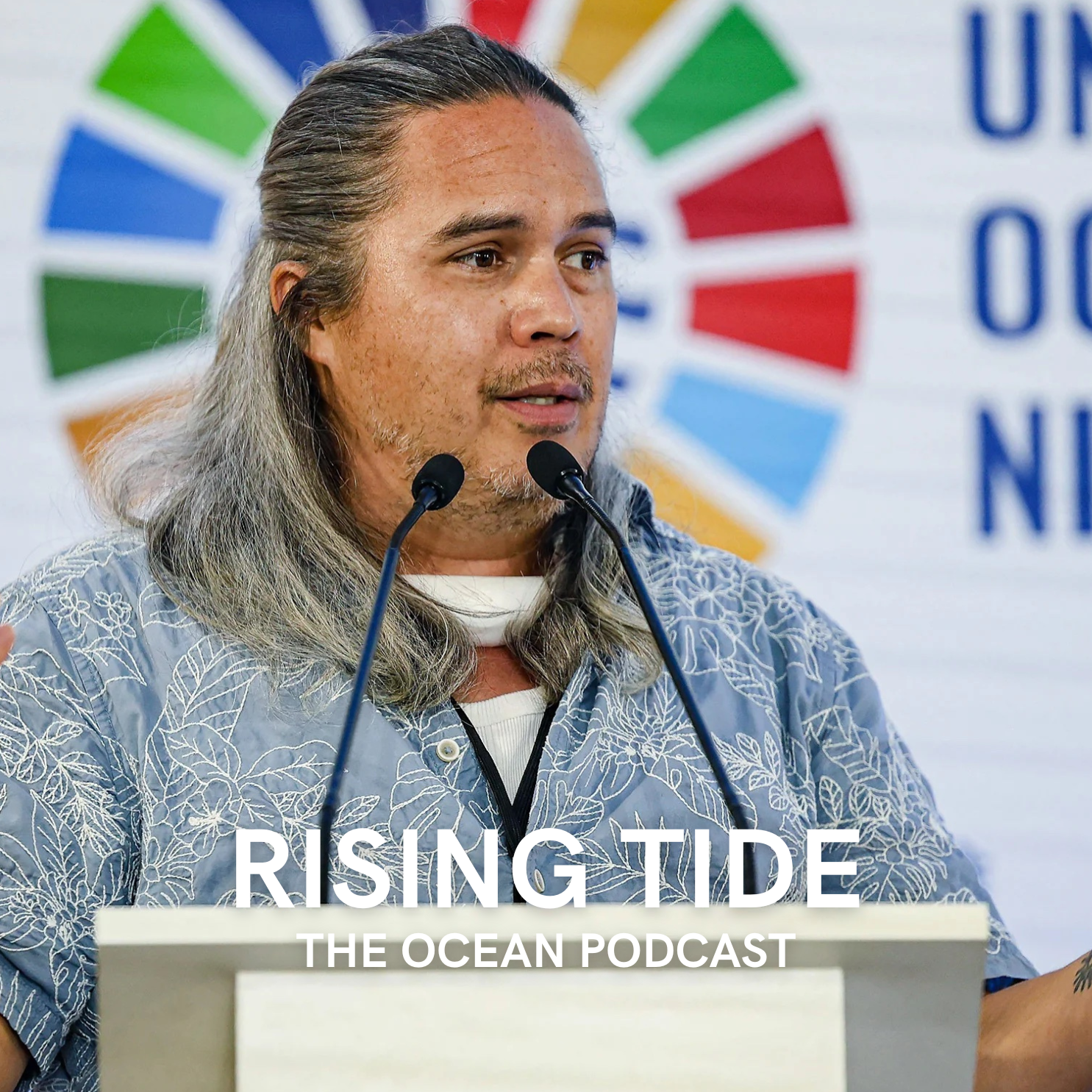
Host David Helvarg and co-host Vicki Nichols Goldstein devote the episode to how the Trump administration is reshaping U.S. ocean policy amid an oil crisis, spotlighting emergency moves to expand California offshore drilling and a broader “drill, baby drill” agenda that includes deep-sea mining. Guest Angelo Villagomez of the Center for American Progress, who helped create the Mariana Trench National Marine Monument, describes mining plans targeting international waters and U.S. areas near American Samoa, the Marianas, and Alaska, while the U.S. sidesteps International Seabed Authority norms. He warns that marine national monuments—covering about 26% of the U.S. EEZ—are under attack via executive orders to reopen areas to industrial fishing, alongside efforts to derail offshore wind using whale-harm claims. The discussion links policy volatility to NOAA staffing losses and urges voter registration and local organizing.
Threats to Our Oceans: Unveiling the Policies Impacting Marine Conservation
In the wake of controversial decisions and administrative shifts, the health of our oceans has come under significant threat, raising alarm among environmentalists and conservationists alike. As explored in a recent episode of Rising Tide: The Ocean Podcast, the Trump administration's approach to ocean governance has ignited a fierce debate about the future of marine conservation and environmental policy.
A Shift in Policy: From Conservation to Exploitation
The current administration's aggressive push for resource extraction has not spared our coasts and oceans. David Helvarg, host of the podcast, sets the stage by highlighting President Trump's efforts to open the California coast for offshore oil drilling amidst a global oil crisis. The policy shift marks a stark departure from the norm, reflecting a broader trend of commodifying natural resources at the expense of environmental protection. Angelo Villagomez, a senior fellow at the Center for American Progress, shares his firsthand experiences with the administration's impactful decisions. Villagomez, who has dedicated significant efforts towards ocean conservation, recalls how marine monuments and protected areas once shielded vast oceanic expanses from industrial abuse. These protections, however, appear fragile under the current policy landscape.
Deep Sea Mining: Science Fiction or Imminent Threat?
A topic once relegated to the realm of science fiction, deep sea mining is emerging as a contentious issue. Villagomez notes that multinational corporations are eager to exploit minerals from the ocean floor, driven by the promise of valuable resources needed for modern technology. While the practicality and economics of such ventures remain questionable, the administration's executive orders appear to pivot government agencies towards prioritizing mineral exploitation over oceanic exploration and conservation. The ripple effects of these changes extend beyond U.S. borders. Countries like the Cook Islands are being courted for their oceanic resources, fundamentally altering international dynamics regarding the extraction of these undersea treasures.
Marine Monuments: Under Siege
Marine national monuments, once bastions of conservation, find themselves in the crosshairs of administration policies aimed at opening protected waters to industrial fishing. Angelo Villagomez highlights how this poses an existential threat to these sanctuaries, which were established to safeguard vulnerable marine ecosystems from industrial pressures. The rationale behind these moves is perplexing, given that even if the entire U.S. exclusive economic zone were open to fishing, the demand would far outstrip the supply. The prospect of industrial fishing undermines the painstaking efforts of conservationists and jeopardizes decades of progress toward sustainable marine management.
Offshore Wind Energy: A Battlefront for Environmental Policy
The podcast delves into the administration's inexplicable opposition to offshore wind projects despite their economic and environmental benefits. Despite a proven track record of lowering utility costs and providing clean energy jobs, wind energy faces regulatory hurdles intended to stall progress. The contrast between promoting outdated energy sources like coal and impediments to clean, renewable alternatives underscores the precarious position of environmental policy today.
Where Do We Go From Here?
Amidst the turmoil, Villagomez calls for resilience and proactive engagement at the community level. Facing weakened protections and administrative overreach, citizens and environmental advocates are urged to channel their efforts into local conservation initiatives. As Villagomez passionately advocates, "Think globally, act locally." The battle for the oceans is far from over. Democracy, as he advises, remains a vital tool in safeguarding our environment. By participating in elections and supporting local conservation efforts, each of us contributes to a larger movement capable of influencing national policy. This issue, fraught with complexities, illustrates the broader struggle of balancing economic interests with environmental stewardship. As we navigate these turbulent waters, the future of our oceans depends on collective vigilance and unwavering commitment to resilient, sustainable policies.