Paul Greenberg on Fishing, Writing, & Semiotics
Exploring the Depths: An Investigative Dive on Ocean Conservation and Cultural Impact
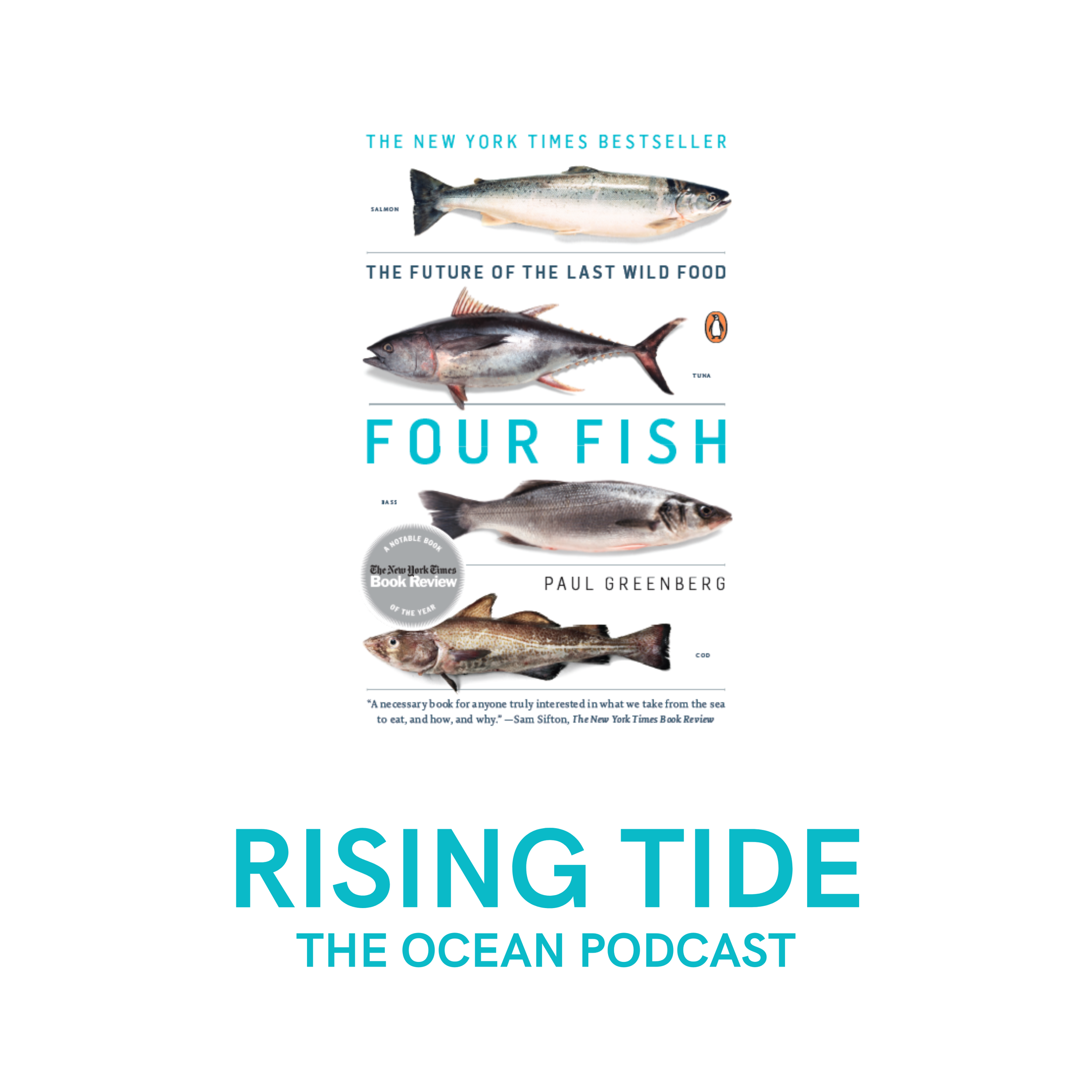
In the latest episode of Rising Tide the Ocean Podcast David Helvarg and Vicki Nichols Goldstein have an engaging conversation with Paul Greenberg, author of the best-selling book ‘Four Fish’ and more recent writings including his latest novel ‘A Third Term’ (George Washington takes on Donald Trump). A Writer in Residence at the Safina Center, a former Pew Fellow and recipient of many honors, Paul discusses growing up fishing, his literary journey (with a short jaunt into Semiotics) how people’s habits and perceptions often differ from common environmental messaging they receive and why Bluefin Tuna give him hope for the future. Tune in for a thoughtful and thought- provoking conversation in depth with our guest Paul Greenberg.
From the onset, Greenberg shares a personal narrative, recounting weekends spent fishing with his father. This early exposure laid the foundation for his enduring passion for the ocean. He humorously narrates how he learned more about fishing from seasoned anglers than from his poker-playing father, highlighting the social and educational value embedded in fishing communities. These stories unveil the deep-rooted cultural practices tied to fishing and the ocean.
The Journey to Writing
Greenberg details his journey into writing, influenced by his father's shift from psychiatry to film criticism. Despite familial expectations to pursue medicine, Greenberg gravitated towards creative expression. His literary career, marked by the publication of "Lena and Katya," underscores the unpredictable nature of publishing but also reflects the themes of resilience and adaptation mirrored in the natural world.
The Ocean's Complexity and Conservation
Central to Greenberg’s narrative is his seminal work, "Four Fish," which investigates the relationship between humans and four iconic fish: salmon, sea bass, cod, and tuna. These fish serve as case studies to explore human decision-making and environmental impact. The dialogue reveals the complexities of domestication and conservation, emphasizing that our simplification of the ecosystem to fit human preferences often leads to unintended consequences.
Beyond Writing: Educator and Advocate
While Greenberg is a recognized author, his role as an educator and advocate is equally significant. At NYU’s Animal Studies program, he challenges students to think critically about marine life and the policies impacting it. His recent pursuits reflect a shift towards integrating traditional ecological knowledge with modern conservation efforts, advocating for "deep roots" approaches to environmentalism.
Shifting Perspectives on Climate Change
A critical segment of Greenberg's conversation revolves around public engagement with climate change. He critiques the emphasis placed on global climate narratives and advocates for localized, practical solutions that resonate more deeply with communities. By addressing environmental challenges through tangible benefits like local economic enhancement and land restoration, Greenberg believes broader public support for environmental initiatives can be garnered.
Resilience and Hope for the Future
Greenberg offers a note of optimism by highlighting the story of the bluefin tuna’s recovery as a testament to the ocean's resilience. Through concerted international efforts and changes in fishing practices, these majestic creatures show signs of rebounding. This success story stands as a powerful symbol of what can be achieved when science, policy, and community efforts align.
Paul Greenberg’s insights reveal the ocean as a living, breathing narrative that reflects our past decisions and future potential. His unique blend of personal anecdotes, literary contributions, and educational leadership paints a picture of the ocean as an untapped well of knowledge and cultural connection. As listeners of the podcast are reminded, it’s our collective responsibility to ensure the health of our oceans, fostering not just survival, but a thriving biodiversity for generations to come.
Embrace the complexities of the ocean and engage in its preservation, recognizing that the choices we make today shape the aquatic environment for future storytelling.
Additional Resources
Paul Greenberg — Paul writes at the intersection of the environment and technology, seeking to help his readers find emotional and ecological balance with their planet. He is the author of seven books including the New York Times bestseller Four Fish: The Future of the Last Wild Food. His other books are The Climate Diet, Goodbye Phone, Hello World, The Omega Principle, American Catch, A Third Term and the novel, Leaving Katya.