Innovating Amidst Chaos: The Story of ThinkNATO and Its Role in a Climate-Driven Future
Emerging innovative ideas and steadfast resolve in the pursuit of addressing one of today's most pressing challenges: climate change.
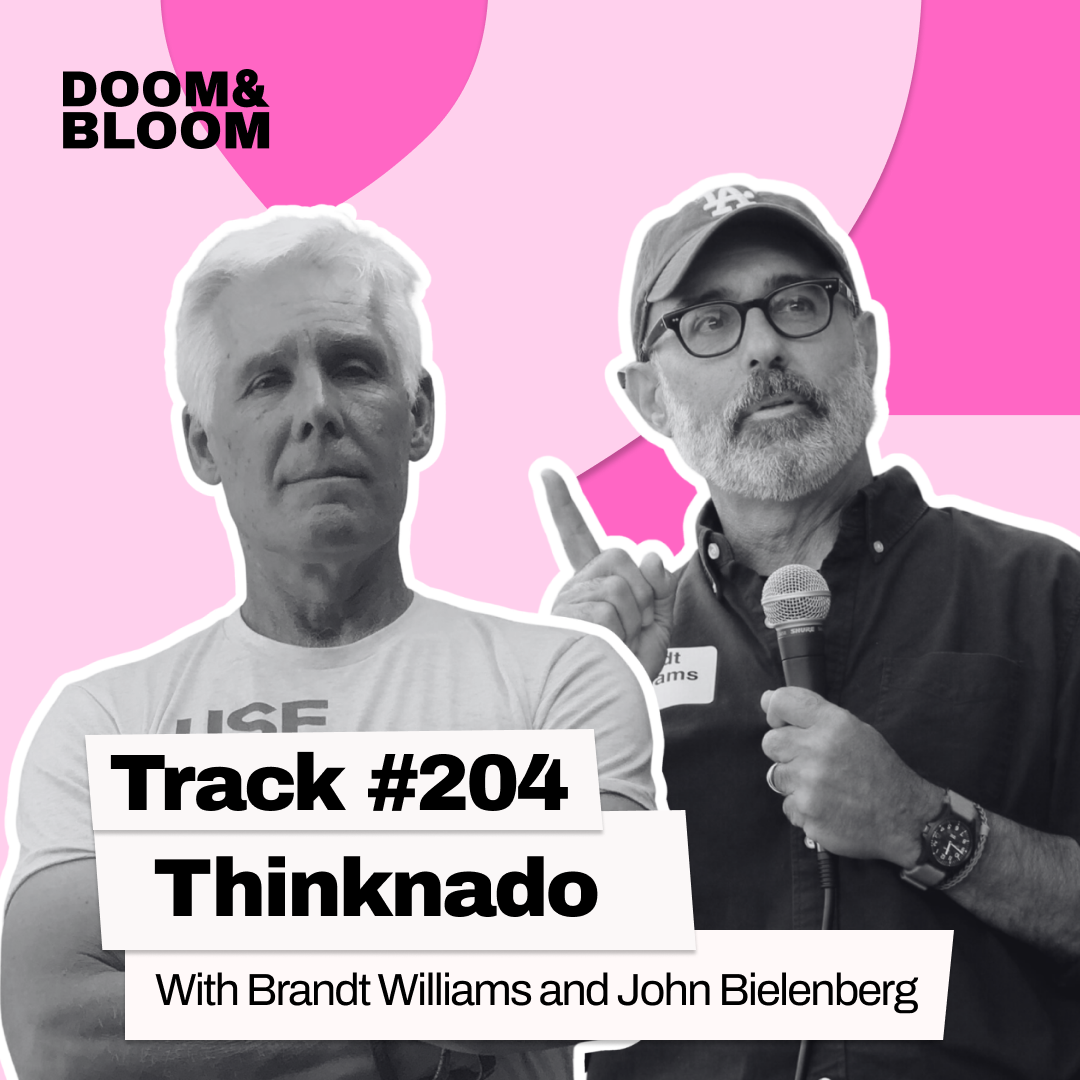
The podcast episode kicks off with a reunion of Marc, John, and Brant from the earlier days of their journey. As key figures behind the ThinkNATO tool, they delve into how their unique experiences across different sectors—creative graphic design, corporate branding, and technological development—shaped the foundation of ThinkNATO. According to John, the seed was sown in a disenchantment with conventional design practices. The team dared to defy normalcy, aiming to transcend the limitations of traditional neural pathways to foster radical innovation.
Originally a tangible deck of cards designed to prompt disruptive thinking, the concept has since evolved into a sophisticated digital tool. "Think wrong," as the philosophy outlines, is not so much about misjudgment as it is about breaking free from ingrained patterns—a process refined through rigorous testing and adaptation.
Brant brings to life how this tool functions not just as a creative spark but as a collaborative partner. With its AI-driven capabilities, ThinkNATO challenges the user with seemingly disjointed word and image pairs—like "nervous sunflower"—to force a fresh perspective on problem-solving. Marc acknowledges this intentional friction as a vital component to nurture creativity, a stark contrast to the frictionless interfaces many digital tools now boast.
What role does the human designer play in the age of AI? John reflects on vibrant examples such as "Liquid Death," a brand born out of an audacious design and marketing idea that AI, despite its prowess, could hardly replicate without the nuance of human experience.
At the heart of the discussion lies the pressing issue of climate crisis—a crisis exacerbated by outdated socio-economic frameworks. The ThinkNATO tool, powered by AI's unique iterative capabilities, embodies a method to challenge and dismantle these blocks. John and Brant argue passionately for the tool's potential to foster new ideas that dare to question the status quo, encouraging designers to connect with allies and push through cultural boundaries.
Brilliantly illustrating the broader mission, John and Brant recount anecdotes from the corporate trenches, where small, calculated risks have led to monumental changes, as seen in the progressive culture exemplified by Patagonia's business ethos.
ThinkNATO, through its deliberate imposition of cognitive friction and its capacity for collective ideation, presents a unique instrument in the orchestration of transformative change. The task at hand, as passionately discussed, is not simply to avert disaster but to craft a reality where sustainable practices drive both imagination and industry.
ThinkNATO’s journey, much like its process, continues to evolve, powered by the collaborations and insights of a community united in purpose and innovation.